Torgya Festival: The Sacred Monastic Mask Dances of Arunachal Pradesh
The Torgya Festival, celebrated at Tawang Monastery in Arunachal Pradesh, is a sacred Buddhist festival of the Monpa community. At its heart are the Cham dances- ritual masked performances by monks that embody Vajrayana Buddhist philosophy, invoke spiritual protection, and symbolise the triumph of wisdom over ignorance. Explore the symbolism, traditions, and spiritual significance of the fourteen dances associated with this revered festival.
Torgya Festival: The Sacred Monastic Mask Dances of Arunachal Pradesh
The Sacred Monastic Mask Dances (Cham) of Torgya Festival: A Bird's-Eye View
The Torgya Festival, one of the most revered religious festivals of the Monpa community of Arunachal Pradesh, is celebrated annually at Tawang Monastery and other Gelugpa monasteries across the Mon region. Far more than a cultural spectacle, Torgya is a profound spiritual event dedicated to invoking peace, prosperity, protection from evil forces, and the well-being of all sentient beings.
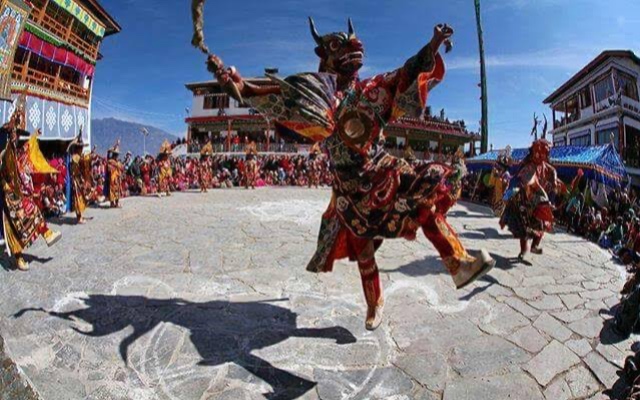
At the heart of this sacred festival are the Cham dances, ritual masked dances performed by monks after years of training. Every movement, mask, costume, musical instrument, and ritual object carries symbolic meaning rooted in Buddhist teachings and Vajrayana philosophy. These dances are not merely performances; they communicate spiritual ideas through movement, music, and ritual.
Below is an overview of the fourteen sacred dances traditionally associated with the Drub-Chhod-Chhenmo, or Torgya Festival.
1. Phag Cham (Boar Dance)
The festival commences with the Boar Dance, symbolising the monks seeking permission from local guardian deities, Nagas, and protectors of the land before the sacred rituals begin. The dance purifies the ritual ground and sanctifies the space for the ceremonies that follow. It reflects the Buddhist understanding of maintaining harmony with all beings, including the spiritual protectors associated with nature.
2. Phag Dang Lang Cham (Boar and Ox Dance)
Performed by two dancers wearing boar and ox masks, this dance symbolises the purification of the cardinal and intermediate directions. Their coordinated movements represent balance, harmony, and the removal of negative influences from the ritual space.
3. Phur Cham (Vajra Dance)
This powerful dance symbolises the protection of the sacred ritual arena. Masked dancers with wrathful expressions represent protective forces that guard the surroundings against obstacles and malevolent influences, helping prepare the space for the sacred ceremonies.
4. Apa Ara Khakyok
Following the solemn purification rituals, this humorous performance offers a moment of spiritual relief. Through wit, satire, and entertainment, the dancers communicate ethical lessons, reminding devotees that wisdom can also be conveyed through laughter and joy.
5. Gyuk Cham (Stick Dance)
The Stick Dance illustrates the Buddhist path towards cultivating love and compassion, essential qualities in Bodhisattva practice. The sticks symbolise discipline and perseverance, reminding practitioners that the pursuit of enlightenment begins with compassion for all living beings.
6. Bhod Torokpa Cham
This dance represents the inspection and consecration of the sacred ground by divine protectors. Performers dressed as guardian deities ritually inspect the ceremonial area, symbolically ensuring that it is purified and prepared for the sacred rites.
7. Dri Cham (Sword of Wisdom Dance)
One of the philosophically significant dances, Dri Cham represents the destruction of ignorance, regarded in Buddhism as a root cause of suffering. The monks wield symbolic swords of wisdom, illustrating how insight and understanding can help free beings from the cycle of birth, ageing, sickness, and death known as samsara.
8. Phod Cham
This dance represents esoteric teachings associated with Mahayana and Vajrayana Buddhism. Its symbolism concerns cutting through worldly attachments and advancing towards enlightenment through sincere spiritual practice and the transformation of consciousness.
9. Durda Cham (Skeleton Dance)
Perhaps one of the most visually striking performances, the Skeleton Dance reminds audiences of the impermanence of life. The four skeleton dancers are associated in the supplied account with the Four Immeasurables: loving-kindness, compassion, sympathetic joy, and equanimity.
The dance encourages reflection on life's transient nature and the importance of cultivating these qualities towards all sentient beings.
10. Shawa Cham (Deer Dance)
The Deer Dance depicts tantric protector deities manifesting for the welfare of all beings. In the ritual described, a dough effigy representing negative forces is cut into pieces, symbolising the overcoming of obstacles, ignorance, and harmful influences through enlightened compassion.
11. Milarepa Cham (Milarepa Dance)
This dance narrates the inspiring life of Jetsun Milarepa, one of Tibet's most celebrated yogis. It portrays his transformation from a troubled youth associated with revenge into a revered spiritual practitioner through repentance, meditation, and unwavering discipline.
His story reminds devotees that sincere effort and perseverance can transform a person's life and spiritual path.
12. Zha Nag Cham (Black Hat Dance)
The Black Hat Dance is among the well-known ritual mask dances of Tibetan Buddhist traditions. The performers' movements and ritual implements carry layers of religious symbolism associated with the protection of the Dharma and the transformation of negative forces.
The dance emphasises concentration, disciplined practice, and the transformation of ordinary awareness towards spiritual understanding.
13. Victory Dance
The Victory Dance celebrates the triumph of wisdom over ignorance and virtue over inner defilements. It symbolises overcoming jealousy, greed, anger, attachment, pride, and other obstacles that hinder spiritual progress.
14. Bardo Dance (Dance of the Transitional State)
The concluding dance portrays the Bardo, the intermediate state between death and rebirth in Tibetan Buddhist thought. Through dramatic visual symbolism, it reflects on karma and the consequences of one's actions.
The dance serves as a reminder of the importance of ethical conduct and mindful choices throughout life.
The Spiritual Significance of Cham Dances
The Cham dances of Torgya are much more than artistic performances. They are sacred rituals that:
1. Symbolically purify the ritual environment and prepare devotees for spiritual practice.
2. Invoke blessings and protection associated with enlightened deities and Dharma protectors.
3. Represent the removal of obstacles and negative influences.
4. Communicate Buddhist teachings through symbolic movements, masks, costumes, and music.
5. Inspire compassion, wisdom, mindfulness, and ethical living.
6. Preserve important elements of Tibetan Buddhist ritual traditions and Monpa cultural heritage.
Every beat of the drum, every sound of the long horn, every graceful movement, and every sacred mask contributes to a powerful ritual experience, transforming the monastery courtyard into a space rich with religious symbolism and spiritual meaning.
The Torgya Festival remains a celebration in which spirituality, philosophy, ritual, and culture converge. Its sacred dances remind us that the ultimate victory is not over others, but over our own ignorance, attachment, and suffering.
May the sacred Cham dances of Torgya continue to inspire peace, compassion, wisdom, and harmony for all sentient beings.